
cleanroom services
Bearing Cleanroom and Relubrication Services
Autosport Bearings & Components operates a purpose-built ISO Class 7 cleanroom for the controlled cleaning, inspection, relubrication and processing of bearings and precision components.
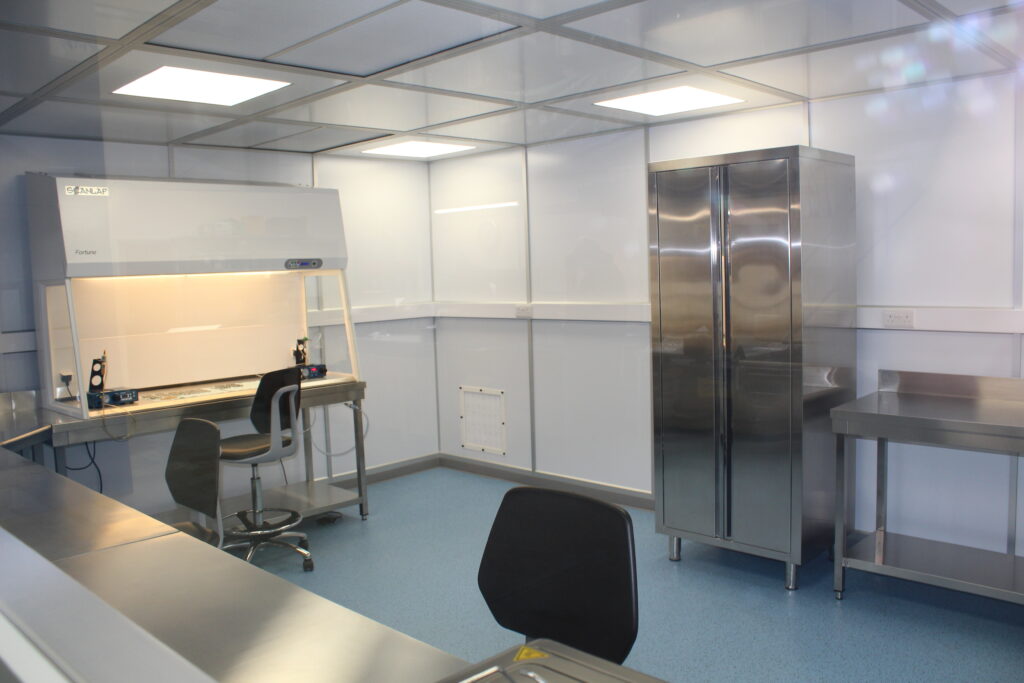
The facility is equipped with Class 5 clean benches and a laminar flow hood. It provides a controlled environment for work where airborne contamination could affect component cleanliness, lubrication or performance.
Services are available for new bearings requiring a different lubricant, components affected by unsuitable storage or damaged packaging, and suitable parts requiring specialist cleaning or processing.
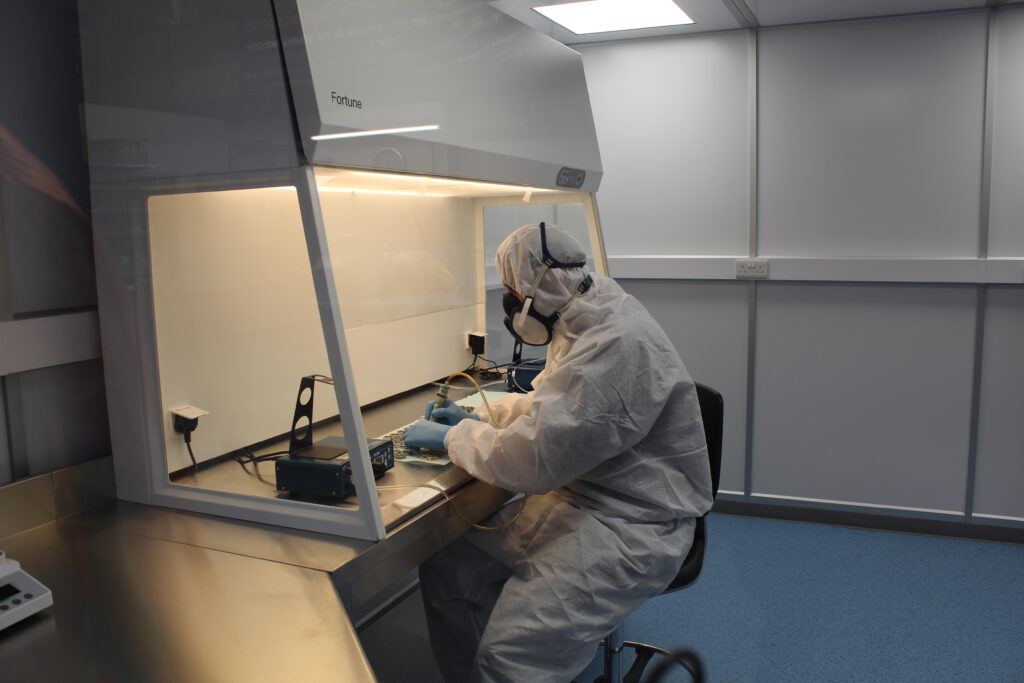
ABC Cleanroom Services in 30 Seconds
- Purpose-built ISO Class 7 cleanroom.
- Class 5 clean benches.
- Laminar flow hood.
- Controlled bearing cleaning and inspection.
- Removal of existing oil and grease.
- Relubrication using a specified product.
- More than 100 lubricants held in stock.
- Customer-supplied lubricants can also be considered.
- Specialist coating and solid-film lubricant applications.
- Suitable for several bearing types and other precision components.
- Based at ABC’s facility in Dudley, West Midlands.
What Bearing Cleanroom Services Does ABC Provide?
Existing oil, grease and contaminants can be removed from suitable bearings within the controlled facility.
The cleaning method depends on the bearing design, material, condition and intended use. Where appropriate, ultrasonic cleaning may be used to help remove residual lubricant and contamination.
The bearing must be assessed before processing. Cleaning will not make a damaged or worn bearing suitable for reuse.
Bearing Relubrication
Following cleaning, suitable bearings can be relubricated using an agreed product.
ABC stocks lubricants developed for several operating requirements, including:
- High-temperature applications.
- Low-temperature applications.
- Low-outgassing environments.
- Low-noise requirements.
- Corrosive environments.
- Different viscosity requirements.
- Food-grade applications.
- Specialist motorsport and engineering uses.
The required lubricant should be specified during the enquiry. Customers may also supply their own lubricant, subject to suitability and cleanroom approval.
Bearing Inspection
Components can be inspected during the cleanroom process to identify visible condition issues or contamination.
The scope of inspection should be agreed before work begins. Customers requiring specific measurements, certification, reporting or acceptance criteria must include those requirements within the enquiry.
A cleanroom inspection should not be presented as a substitute for the engineering assessment required for a safety-critical application.
Solid-Film Lubricants and Specialist Coatings
ABC’s cleanroom facility includes bespoke equipment for applying suitable coatings and solid-film lubricants to bearings and linear surfaces.
This includes molybdenum disulphide, often known as moly or MoS₂. It can provide dry lubrication where conventional oils or greases may be unsuitable.
Coating suitability depends on the component material, surface, operating conditions and manufacturer’s requirements. Each application must be reviewed before processing.
Processing Other Precision Components
Bearings are the main focus of the cleanroom, but other suitable parts can also be considered.
These may include:
- Precision fasteners.
- Shafts.
- Linear components.
- High-specification machined parts
- Specialist automotive components.
- Aerospace components.
Contact ABC with the component details, required process and cleanliness requirements before sending any items.
Why Does Bearing Cleaning and Lubrication Need a Controlled Environment?
Rolling bearings operate with a thin film of lubricant separating their moving surfaces.
The correct lubricant can reduce friction, protect against corrosion, disperse heat and limit premature wear. However, lubricant performance depends on more than the product selected.
Contamination introduced during handling, cleaning or relubrication can affect the bearing after it enters service. Even small particles may interfere with smooth movement or damage precision contact surfaces.
A controlled cleanroom reduces the concentration of airborne particles during processing. Clean benches provide a more tightly controlled working area for sensitive components and procedures.
This is particularly important when:
- The bearing has tight tolerances.
- The application requires a specified lubricant.
- Existing grease must be removed.
- Contamination must be carefully controlled.
- The component will operate at high speed.
- The application involves unusual temperatures or environments.
- A specialist coating or solid-film lubricant is required.
Cleanroom processing is not automatically a repair. Cleaning cannot reverse corrosion, fatigue, brinelling or physical damage. Components must be assessed for suitability before work begins.
When Might a Bearing Need Cleaning or Relubrication?
A new bearing is normally supplied with a lubricant selected for general use. However, that lubricant may not suit every application.
Controlled cleaning and relubrication may be considered when:
- The original lubricant is unsuitable for the operating conditions.
- A project specification requires a particular lubricant.
- The bearing will operate at unusually high or low temperatures.
- Low noise or low-outgassing performance is required.
- Greater corrosion resistance is needed.
- The original packaging has been damaged.
- The bearing may have been exposed to contamination.
- Storage conditions or lubricant age are uncertain.
- The grease has separated, discoloured or changed appearance.
- A customer requires a controlled preparation process.
- A specialist coating or solid-film lubricant is required.
A typical example is an airframe bearing that requires a high-temperature, low-noise grease rather than the lubricant supplied as standard.
The correct process depends on the bearing, its condition and the intended application. Customers should provide the original component and lubricant specifications wherever possible.
What Is an ISO Class 7 Cleanroom?
Cleanrooms are classified by the concentration and size of airborne particles within the controlled space.
ABC’s facility is an ISO Class 7 cleanroom equipped with Class 5 clean benches. It meets the requirements of ISO 14644-1:2015 for the classification of air cleanliness by particle concentration.
The facility is divided into three controlled areas:
- A changing area.
- A decontamination area.
- The main cleanroom.
Controlled airflow, filtration and entry procedures help limit the introduction and movement of airborne contamination.
The Class 5 clean benches provide a more tightly controlled local environment for sensitive processing.
A cleanroom classification relates to airborne particle control. It should not be confused with a claim that the facility or components are sterile.
Which Bearings Can ABC Process?
ABC has processed a wide range of bearing types, including:
- Miniature ball bearings.
- Deep-groove ball bearings.
- Angular-contact bearings.
- Needle roller bearings.
- Thin-section bearings.
- Track roller bearings.
- Linear bearings and guides.
- Metal-to-metal spherical bearings.
- Airframe bearings.
- Medical instrument bearings.
This list is not exhaustive. However, not every bearing can or should be cleaned and relubricated.
Seals, cages, liners, materials and construction methods may affect what can be done. The bearing’s condition and intended application must also be considered.
Send ABC the complete part number, manufacturer and required process before submitting components.
Can ABC Use a Customer-Specified Lubricant?
Yes. ABC holds more than 100 lubricants for different performance and environmental requirements.
Customers can also supply a specified lubricant for use during processing. The product must be compatible with the bearing, cleanroom procedure and intended application.
When requesting relubrication, provide:
- Bearing manufacturer and part number.
- Quantity.
- Existing lubricant, if known.
- Required lubricant.
- Operating temperature.
- Speed and load information.
- Environmental conditions.
- Any applicable technical standard.
- Required processing or documentation.
- Project deadline.
If the lubricant has been specified by an engineer, manufacturer or customer, include the complete product reference rather than a general description.
Which Bearings Can ABC Process?
Controlled bearing cleaning and relubrication can support applications across several demanding sectors.
Motorsport and Performance Automotive
Motorsport bearings may operate at high speeds, under changing loads and within tight packaging constraints. A team may also require a particular lubricant to reduce friction, manage temperature or meet an established component specification.
Aerospace and Airframe Applications
Airframe and aerospace bearings may require tightly controlled cleanliness, specialist lubricants or particular coating systems.
All relevant specifications and approval requirements should be supplied before processing.
Precision and Specialist Engineering
Precision machinery, linear systems and specialist equipment can rely on carefully controlled bearing movement and lubrication.
Cleanroom processing can help where standard factory lubrication does not meet the application requirement.
Medical Instrument Bearings
Miniature and precision bearings used within medical instruments may require controlled handling and specified lubrication.
Customers must provide any sector-specific standards, documentation or acceptance requirements during the initial enquiry.
How Does the Cleanroom Enquiry Process Work?
1. Send the Component Information
Provide the manufacturer, part number, quantity, photographs and required process.
Include information about the existing and required lubricant where relevant.
2. Explain the Application
Tell ABC where the component will be used and which operating conditions matter.
These may include speed, temperature, load, contamination, noise, outgassing or corrosion.
3. Confirm the Required Service
The team will review whether the component and requested process are suitable for the facility.
Any inspection, cleaning, relubrication, coating or documentation requirements should be agreed before the parts are sent.
4. Arrange Component Delivery
Do not send components without first discussing the requirement with ABC.
The team will provide the necessary delivery information and any preparation instructions.
5. Processing and Return
Suitable components will be processed using the agreed cleanroom procedure.
Return delivery and any required project documentation should be confirmed as part of the quotation.
Discuss Your Bearing Cleanroom Requirement
Contact Autosport Bearings & Components to discuss bearing cleaning, relubrication, inspection or specialist component processing.
Please do not send bearings or components until the required service and delivery arrangements have been confirmed.
What Should I Include in a Cleanroom Enquiry?
To help ABC assess the requirement, include:
- Your name and company.
- Contact details.
- Component manufacturer.
- Complete part number.
- Quantity.
- Component condition.
- Existing lubricant, if known.
- Required lubricant or coating.
- Operating conditions.
- Required cleanliness or processing standard.
- Inspection or documentation requirements.
- Delivery destination.
- Required completion date.
- Clear component photographs.
The more complete the information, the easier it is to assess suitability and provide an accurate response.